
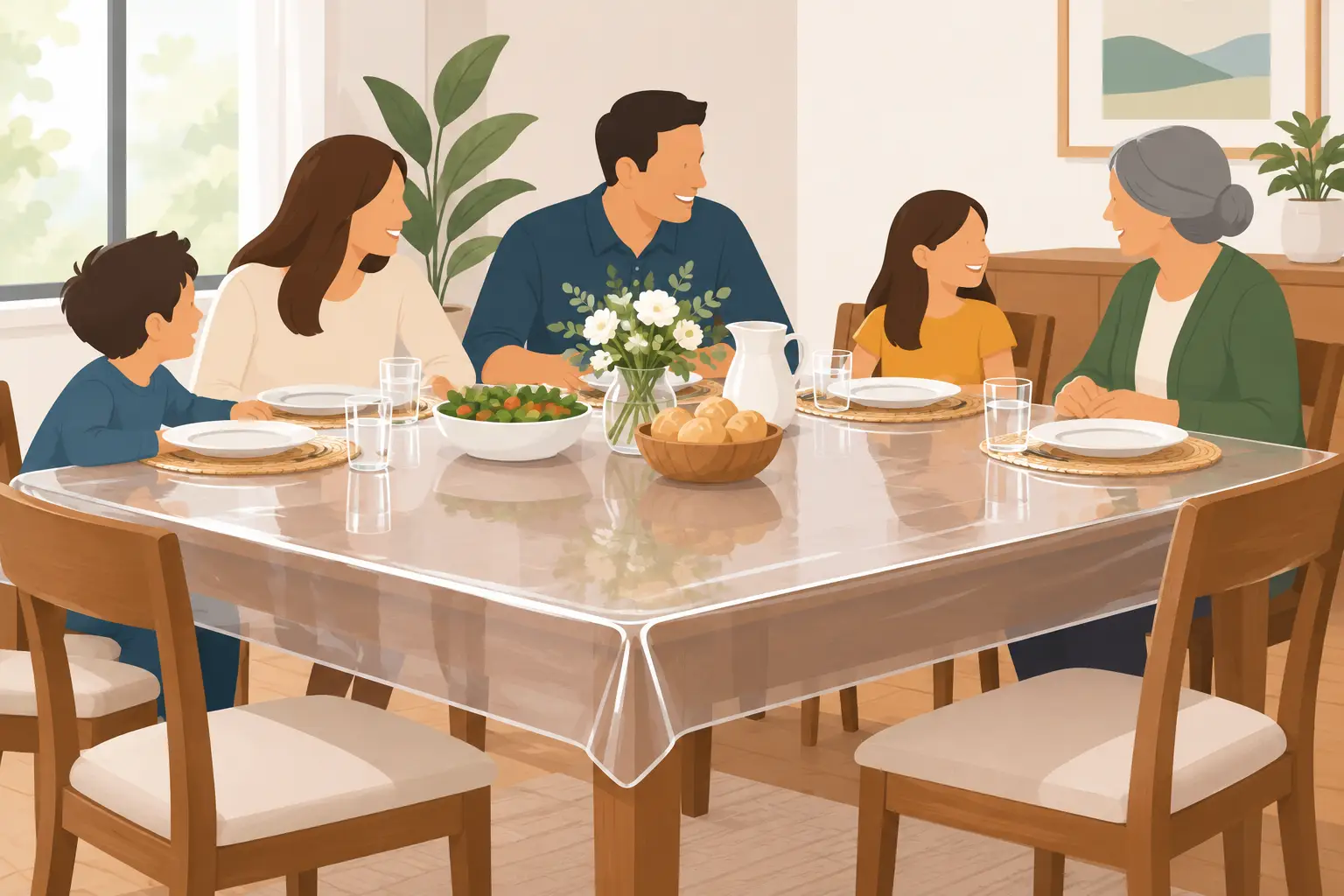
A dining table leaf often spends more time in storage than it does in the table. That is exactly why table leaf protection deserves the same attention as protecting the tabletop itself. A matching extension leaf can be difficult and expensive to replace, especially on a solid wood table with a custom finish, distinctive grain, or a finish that has developed character over many family meals.
When the holidays arrive, extra seating should be easy. The leaf should come out clean, flat, and ready to fit - not covered in scratches, faded along one edge, or marked by something stored on top of it. Proper protection helps preserve the value, appearance, and usefulness of the furniture your family gathers around.
Why Stored Table Leaves Need Protection
An extension leaf may look sturdy, but its finished surface is vulnerable when it is tucked into a closet, cabinet, basement, or under-bed storage area. Even a small amount of rubbing against a wall, shelf, or another piece of furniture can leave scuffs. Sliding the leaf across a hard floor can scratch edges and corners. Stacking household items on it can lead to dents, pressure marks, or warping over time.
The biggest concern is often not one major accident. It is years of ordinary storage. Dust can act like an abrasive when a leaf is moved. Humidity changes can affect wood. Direct sunlight can fade a finish, leaving the leaf a slightly different color from the rest of the table. Moisture from a damp basement, garage, or exterior wall can also threaten the wood and finish.
A leaf that is stored carefully remains ready for the occasions that matter: Thanksgiving dinner, a graduation party, Sunday supper, a birthday celebration, or a card game that brings three generations to the table.
What Good Table Leaf Protection Should Do
A loose blanket or sheet may keep off dust, but it does not provide dependable protection during handling or storage. It can shift, snag, hold moisture, and offer little defense against a bumped corner or a heavy box set down by mistake. For a valuable dining table, a purpose-made storage solution is the better choice.
Keep Finished Surfaces From Rubbing
A properly sized storage bag separates the leaf from abrasive surfaces. That matters when the leaf is carried through a doorway, set on a shelf, or placed beside other stored furniture. Soft interior materials help prevent finish-to-finish contact and reduce the risk of everyday scuffs.
Protect Edges and Corners
The edges of a table leaf take the most abuse. They are exposed when a leaf is leaned upright, moved through storage, or bumped against doorframes. A protective bag adds a layer between those vulnerable edges and the hard surfaces around them.
Make Storage More Organized
A dedicated bag gives the leaf a clear home. Rather than leaning it uncovered in a closet or wrapping it in whatever is available, you can store it neatly and know what it is when it is time to set the table. This is especially helpful for households with more than one table, multiple leaves, or seasonal entertaining supplies.
Choose the Right Storage Location
Even the best bag works best in a sensible storage space. Store table leaves indoors whenever possible, in an area with relatively stable temperature and humidity. A climate-controlled closet, spare-room storage area, or interior cabinet is generally a better choice than a garage, attic, shed, or damp basement.
Avoid resting a leaf directly on concrete. Concrete can transfer moisture and temperature changes, particularly in basements and garages. If you must use basement storage, keep the protected leaf elevated and away from exterior walls, plumbing lines, and places where water could collect.
Sunlight is another concern. Do not leave a leaf near a sunny window, even if it is inside a bag. Over time, ultraviolet exposure can change the color of wood and finished surfaces. When the leaf returns to the table, the difference can be noticeable.
Store the leaf flat when the available space allows it. A flat, supported surface helps prevent unnecessary stress. If upright storage is necessary, make sure the leaf is fully supported, protected at the bottom, and positioned where it cannot tip or have other items leaned against it.
Handle Your Leaf Like Finished Furniture
Many storage marks happen during the few minutes it takes to install or remove a leaf. Lift rather than drag. Carry it with two hands, and use a second person for large, heavy, or unusually shaped leaves. Before setting it down, clear the surface and make sure there is no grit, hardware, or decorative item underneath.
Take a moment to clean the leaf before putting it away. A dry, soft cloth can remove crumbs, dust, and residue that might otherwise sit against the finish in storage. If the leaf needs more than a light dusting, follow the table manufacturer’s finish-care instructions. Avoid wrapping a leaf while it is damp from cleaning.
It also helps to inspect the table’s locks, alignment pins, and support hardware while the leaf is out. A leaf can be in excellent condition, yet still fit poorly if a table mechanism is damaged or obstructed. Keeping the table and its leaves clean together makes setup smoother before guests arrive.
Protect the Table When the Leaf Is in Use
Table leaf protection does not end once the extension is installed. The leaf is now part of the dining surface, and it needs protection from the same hazards as the main table: hot serving dishes, spills, scratches from serving pieces, craft supplies, and dents from everyday use.
This is where fitted table pads offer a practical advantage. A custom-made pad covers the entire table, including the extended surface, so the main top and leaf are protected together. Quality pads are especially useful when the table is doing more than serving dinner. They create a dependable surface for holiday buffets, children’s projects, puzzles, board games, and long evenings with friends.
At Heartland Table Pads, custom table pads are made for the specific shape and size of the table, including its leaves. Options with substantial 5/8-inch or 7/8-inch thickness provide meaningful protection from impacts, while heat resistance up to 550°F helps guard against hot dishes that can leave lasting marks on an unprotected finish.
The right thickness depends on how the table is used. A household that primarily wants scratch and spill protection may prefer a thinner profile. Families who regularly host large meals, use the table for activities, or want greater defense against dents may appreciate the added cushioning of a thicker pad.
Match Protection to How Your Family Uses the Table
Not every household uses an extension leaf the same way. Some families install it twice a year for major holidays. Others keep the table extended for months because adult children, grandchildren, or friends are regularly around the table. Your protection plan should fit that routine.
If the leaf is rarely used, secure storage is the priority. A custom storage bag and a dry, stable location can prevent damage during the long stretches between gatherings. If the leaf stays in the table most of the year, a fitted table pad becomes the more valuable daily safeguard.
For frequent hosts, both forms of protection make sense. Store the leaf in a protective bag when it is not needed, then cover the extended table with a fitted pad when the extra seating is in place. That approach protects the investment through every stage: storage, setup, use, and return to storage.
A Small Step That Preserves a Family Table
A table leaf is not merely an extra piece of wood. It is what makes room for one more place setting, one more grandchild, or one more neighbor at the table. Protect it accordingly. With careful handling, a proper storage bag, and a fitted pad when the leaf is in use, your table can stay ready for the gatherings your family looks forward to year after year.